Author: Maddie

  • What Does Your Workout Say About Your Personality?

    Written by Madeline Thomas
    Have you ever noticed how your go to workout kind of feels like your personality doing push-ups? Whether you’re sprinting through a HIIT session or zoning out in yoga class, the way you move can reveal more than your fitness goals. It can reflect how you think, process stress, and handle life.

    1. The Lifter: Strength Training Junkie

    Personality Type: Grounded, disciplined, and quietly intense.

    Mental Vibe: You like control and lifting heavy things is your therapy. You may struggle with anxiety or overthinking, but strength training gives you something concrete to focus on. You’re likely goal oriented and value slow, consistent progress.

    Watch Out For: Perfectionism or burnout from trying to “earn” your rest.

    Mental Boost Tip: Celebrate showing up, not just personal records.

    2. The Runner: Cardio Devotee

    Personality Type: Driven, independent, and sometimes a little “escape-y”.

    Mental Vibe: You process emotions by moving forward…literally. Running gives you space to think, decompress, and sometimes run away from what’s bothering you. You’re likely introspective and good at sticking with things that others find too repetitive.

    Watch Out For: Using movement to avoid emotions instead of processing them.

    Mental Boost Tip: Try running without music sometimes and tune into your own thoughts and the sounds of nature and outdoors (if you’re running outside).

    3. The Yogi: Zen Seeker

    Personality Type: Sensitive, emotional, and empathetic… maybe too empathetic at times, in the best way.

    Mental Vibe: You crave balance and connection with your mind and body, and breath and thought. Yoga helps you regulate your nervous system and reconnect with yourself when things get loud. You’re probably the emotional anchor in your friend group.

    Watch Out For: Using mindfulness as a mask instead of a mirror.

    Mental Boost Tip: Write down how you feel before and after each session. Watch the shift.

    4. The HIIT Addict: Intensity Lover

    Personality Type: All or nothing, high energy, possibly thrives in chaos.

    Mental Vibe: You feel most alive when you’re pushing your limits and you love the post workout dopamine hit. You likely struggle with stillness and may use intensity to “outrun” stress.

    Watch Out For: Ignoring rest and signs of mental exhaustion.

    Mental Boost Tip: Add slower recovery workouts to your week. You will eventually recover faster.

    5. The Group Class Champ: Social Sweater

    Personality Type: Outgoing, encouraging and THRIVES on energy.

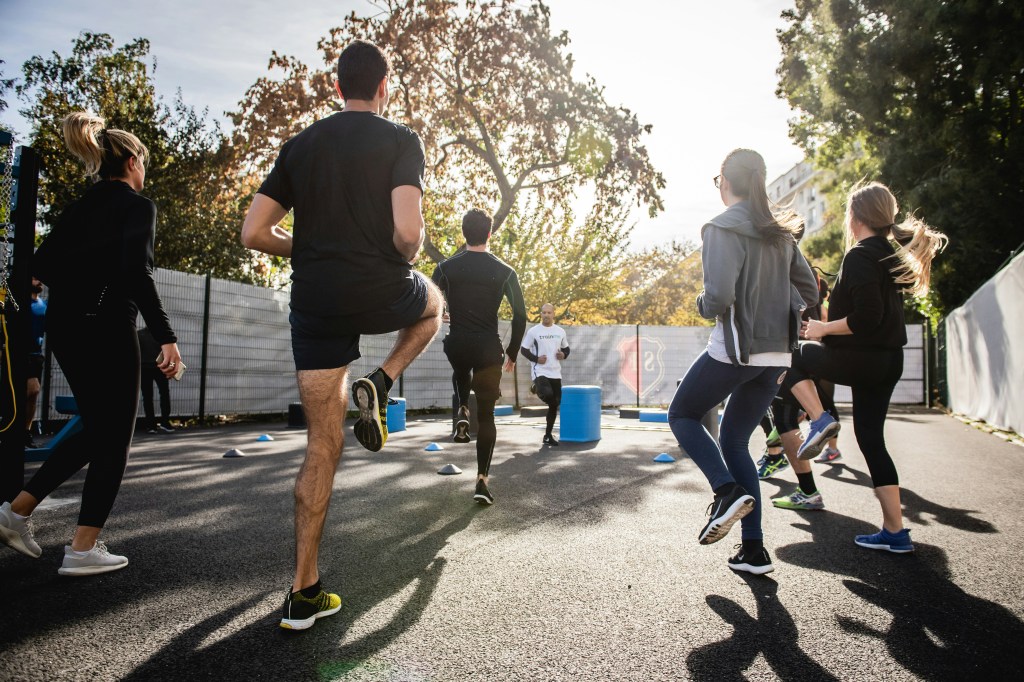
    Mental Vibe: You get your motivation from connection. Whether it’s Zumba, spin, or bootcamp, the group dynamic keeps you accountable and energized. You’re probably the one who high fives strangers at the end of class and we love you for that.

    Watch Out For: Depending on others for motivation.

    Mental Boost Tip: Try a solo workout once a week and use it to get to know yourself.

    6. The Walker: Lowkey Legend

    Personality Type: Calm, observant and deeply thoughtful.

    Mental Vibe: You don’t need flashy gear or a workout playlist to feel the burn or the shift. You understand that movement doesn’t have to be extreme to be effective. Walking gives you peace and perspective. You’re likely good at listening to others and to yourself.

    Watch Out For: Downplaying your effort as “not real exercise”.

    Mental Boost Tip: Turn your walk into a moving meditation once in a while.

    So What Does It All Mean?

    Your workout style reflects how you cope, how you think, and what your mind needs even if you don’t realize it. Your body isn’t the only thing that can evolve. So can your relationship with movement, so switch up how you do things every once in a while!

    Whether you’re lifting, running, stretching, or just strolling, you’re doing the mental work too.

  • How Your Thoughts Affect Your Workouts (and Vice Versa)

    Written by Madeline Thomas

    What you think while you’re working out actually changes how you feel and how you perform. If you go into a workout already telling yourself you’re too tired or not strong enough, it’s going to be a struggle the whole way through. But if you shift your mindset, even just a little, you will surprise yourself. Your mind and body are way more connected than we give them credit for. Here are a few things that will help you stau in tune with that mind and body connection:

    Be Present When You Move

    Instead of mentally checking out or rushing through reps, try to tine in. Pay attention to your breath and notice how your muscles engage. Be curious about how your body moves and reacts. It makes even a simple workout feel meaningful. The more you can tune into your body in real time, the more connected (and safer) your workouts become. This also helps prevent injuries and makes your movements more effiecient.

    Track How You Feel Before and After

    This doesn’t need to be a big journalling session, just take 30 seconds. Ask yourself how you feel and what emotions are showing up. Then check again after you move. Maybe you still feel stressed, but now it’s at a 5 instead of a 9. Maybe your anxiety didn’t disappear, but your breathing is steadier. Noticing the difference reinforces how powerful movement is for your mental state and makes it easier to keep showing up, even when you’re not in the mood.

    Respect Mental Fatigue

    It’s easy to push through physical tiredness and just grind it out. But when your brain is exhausted, your body often follows. On those days, instead of pushing harder, consider a gentler form of movement like walking, stretching, mobility or even just skipping the workout entirely in favor of good rest. There’s a difference between laziness and burnout, and learning to tell the difference is key to sustainable fitness. You don’t always need to discipline, sometimes you just need compassion.

    Move For How It Feels, Not Just How It Looks

    Chasing aesthetics can be motivating, but it can also burn you out or make you feel like you’re never “doing enough”. Try reframing your workouts as time to build energy, release stress, and reconnect with yourself. You’re not just working on your body, you’re caring for your mind. When you move because it feels good, rather than out of guilt or pressure from outside voices, you build a habit that’s rooted in joy instead of punishment.

    Celebrate Small Wins

    Not every workout will feel amazing, and not every step forward will be obvious. But celebrating even the smallest victories, like showing up when you didn’t want to, lifting 5 more pounds than normal, or simply finishing your cooldown can shift your mindset in a powerful way. Acknowledging your effort builds confidence and creates a positive feedback loop that helps you keep going, especially on tough days. Progress isn’t always loud. Sometimes, it’s about just quietly showing up for yourself. And that counts.

    The connection between your mind and body is always there. you just how to slow down enough to notice it. Whether you’re pushing through a tough workout or choosing rest, remember that both your mental and physical health matter. Keep showing up, keep listening, and give yourself credit for every step forward.

  • The Quiet Power of Doing Nothing: Rest and Recovery for Mental Wellness

    Written by Madeline Thomas

    We live in a world that’s always “go, go, go.” But sometimes, the most powerful thing you can do for your mental health is nothing at all. Rest isn’t lazy, it’s necessary. Here are a few reasons why slowing down matters more than we think.

    Your Body Needs A Break

    When you’re always on the move, your stress levels stay high. Rest helps calm your nervous system and brings your body back to balance. Even just sitting quietly for a few minutes can signal to your body that it’s safe, reducing tension and helping you recharge physically and mentally.

    Doing Nothing Boosts Creativity

    Ever notice how great ideas pop up in the shower or when you’re zoning out? Your brain needs space to wander and that’s when the creativity kicks in. When you’re not forcing yourself to be productive, your mind can connect thoughts in new ways and spark ideas that wouldn’t show up in a packed schedule.

    Emotions Need Room to Breathe

    When life is nonstop, feelings can get buried. Quiet time helps you check in and actually process what you’re feeling. It’s in those moments that you can recognize what’s really going on underneath the surface, which is the first step to healing and feeling more grounded.

    You’re MORE Than Your Productivity

    We’re told we have to “earn” rest, but that’s no true. You deserve rest simply because you’re human, not because you checked everything off a list. Giving yourself permission to rest without guilt can help shift your mindset from constant pressure to self compassion.

    Stillness Helps You Be Present

    Doing nothing teaches you to just be. No distractions, no multitasking, just paying attention to where you are and how you feel. It brings you back to the present moment, which can be incredibly calming when your mind is racing or stuck in the past or future.

    Rest Stops Burnout Before It Hits

    If you never take breaks, burnout creeps in fast. Even small pauses throughout the day can keep your mind and energy from crashing. Think of rest as maintenance, not an emergency fix. It helps you show up better in the long run.

    Your Mind Needs Recovery Too!

    Just like muscles need recovery after a workout, your brain needs downtime, especially if you’ve been stressed or overwhelmed. Mental fatigue is real, and ignoring it will only make things harder. Rest helps your brain clear the mental clutter and regain focus for the rest of the day.

  • 15 Workouts You Can Do on Vacation

    Written by Madeline Thomas

    Vacation is the perfect time to unwind, explore new places, and recharge, but it doesn’t mean your fitness routine has to take a backseat. Whether you’re lounging on the beach, hiking in the mountains or simply just enjoying a break from the hustle, incorporating a few workouts into your getaway can boost your energy, reduce stress, and help keep your body moving.

    1. Beach Yoga

    Enjoy the calming sound of the waves while practicing a few yoga poses. It’s a great way to stretch, refresh your mind, and start the day peacefully.

    2. Bodyweight Circuit

    Create your own circuit using exercises like squats, push-ups, and lunges. No equipment is needed, making it perfect for a quick, effective session anywhere.

    3. Morning Jog or Walk

    Kick off your day with a refreshing jog or brisk walk. Explore your surroundings while boosting your cardiovascular health and energy levels.

    4. Swimming Laps

    If you’re near a pool, lake, or the ocean, take advantage of the water for a low impact, full body workout that’s both fun and refreshing.

    5. Hiking Adventures

    Research scenic trails or local parks near you. Hiking not only strengthens your legs and core but also lets you breathe in the fresh air and take in the beautiful, scenic landscape.

    6. Resistance Band Routine

    Pack a lightweight resistance band a perform strength exercises targeting all major muscle groups. It’s an excellent option for maintaining muscle tone on the go.

    7. Core Circuit

    Focus on your midsection with exercises like planks, bicycle crunches, and leg raises. A strong core can improve balance and stability during your travels.

    8. High Intensity Interval Training (HIIT)

    Short bursts of high energy moves like jumping jacks or burpees, alternated with brief rest breaks. HIIT is efficient and can be adapted to any space.

    9. Stair Climbing

    Find a set of stairs, whether it’s at your hotel or a nearby park, and turn them into a mini cardio workout. It’s a simple yet effective way to build endurance and tone your legs.

    10. Cycling Tour

    Rent a bike and explore your destination solo or with your family. Cycling is great for cardio and lets you cover more ground while enjoying the scenery. Most popular vacation destinations offer these types of excursions, so it’s like a 2 for 1!

    11. Casual Walking Tours

    Combine sightseeing with exercise by taking walking tours of local landmarks. It’s a gentle workout that helps you appreciate the local culture and history. Always good to get those steps in on vacation!

    12. Stretch and Mobility Session

    Dedicate a few minutes to stretching and mobility exercises. This can help relieve travel related stiffness and tension and keep your body limber.

    13. Aqua Aerobics

    Take advantage of the water by doing gentle aerobics in a pool. Aqua workouts are low impact and can be surprisingly challenging.

    14. Pilates on Vacation

    Practice a few Pilates moves to strengthen your core, improve posture, and increase flexibility. All you need is a mat and a quiet corner of your room or outdoor space.

    15. DANCE!

    Put on your favorite tunes and dance! It’s a fun, spontaneous way to get your heart rate up and boost your mood. Plus, if you have kids, it’s a great activity to get everyone involved!

    Each of these workouts are designed to be flexible, low-maintenance, and enjoyable, assuring you can stay active while still soaking in the vacation vibes. Feel free to tailor these suggestions to suit your personal fitness level and the unique opportunities your vacation offers.

  • Food for Body, Mind and Soul

    Written by Madeline Thomas

    Eating a healthy diet is crucial for overall health and wellness and plays an important role in improving the quality of life you live. A diet full of vegetables, fruits, whole grains and protein can provide the nutrients our bodies and minds need to function at their best. Here are 5 recipes that fuel your body but also bring enjoyment and satisfaction.

    1. Mississippi Pot Roast

    Full recipe and credit here: https://belleofthekitchen.com/mississippi-pot-roast/

    Mississippi Pot Roast is a flavorful, slow cooked beef roast that’s known for its tender texture and savory taste. Typically made with a chuck roast, it’s cooked with a packet of ranch dressing mix, au jus gravy mix, butter, and pepperoncici peppers, which infuse the meat with a rich, tangy, and slightly spicy flavor. This dish is perfect for a hassle free meal that is both delicious and packed with protein. Mississippi Pot Roast is sure to please a crowd!

    2. Asian Honey Sriracha Meatballs

    Full recipe and credit here: https://healthyfitnessmeals.com/easy-honey-sriracha-meatball-recipe/

    Fuel your body with these Asian Honey Sriracha Meatballs: a perfect combination of protein, healthy fats, and bold flavors to keep you energized. Made with ground turkey or lean beef, these meatballs are packed with protein to support muscle recovery and keep you feeling full.

    3. Tarragon Tuna Salad

    Full recipe and credit here: https://www.tasteofhome.com/recipes/tarragon-tuna-salad/

    Boost your nutrition with this Tarragon Tuna Salad recipe, a light, protein rich meal that’s perfect for a meal after the gym. Enjoy it on whole grain toast, in a lettuce wrap, or over a bed of greens for a quick and healthy meal.

    4. Chicken and Sweet Potato Meal Prep

    Full recipe and credit here: https://allnutritious.com/chicken-and-sweet-potato-meal-prep/

    Chicken and Sweet Potatoes are rich in essential vitamins, minerals, and protein, with sweet potatoes offering a steady source of fiber and slow digesting carbs to prevent energy crashes. Add roasted broccoli or sautéed greens for an extra dose of micronutrients and antioxidants.

    5. One-Skillet Bourbon Chicken

    Full recipe and credit here: https://www.eatingwell.com/recipe/7921237/one-skillet-bourbon-chicken/

    Craving a takeout style meal without the guilt? This One-Skillet Bourbon Chicken recipe is a macro friendly dish that has bold flavor while keeping your nutrition on track. Made with tender, juicy chicken breast and coated in a sweet, savory bourbon infused glaze, this meal is packed with muscle building protein and just the right amount of healthy carbs.

  • 8 Reasons Why Fitness is Crucial for Improving Mental Health

    Written by Madeline Thomas

    We are all familiar with the benefits that exercise has on our bodies but what about the additional benefits that come and stay long term? We were created to be active which in turn improves our emotional well-being. Here are 8 reasons how exercise takes part in that.

    1. Improved Sleep Quality

    Research shows that exercise decreases insomnia. Studies show that insomnia prevalence rates range from 10%-30%, and in some cases can be as high as 50%-60%. This range mostly applies to older adults, females and those who struggle with certain medical and mental health conditions. When your body is hard at work during the day, it allows you to properly rest and go through the natural sleep cycle we were designed for.

    2. Decreased Stress Levels

    Exercising regularly allows our bodies to release endorphins that significantly decrease stress levels which improves your overall mood and sense of well-being. It also reduces levels of the body’s stress hormones such as cortisol and adrenaline. For as long as we have been alive, any type of physical activity, even if it’s a 30 minute walk with your dogs, has been proven to benefit your mental health in ways that improves your ability to stay active long term.

    3. Reduced Anxiety and Depression

    Similar to the benefits it has on decreasing stress levels, it can have the same effect on anxiety and depression symptoms. There have been many studies done to show that exercise is a valid form of treatment for mental illnesses like anxiety and depression. Exercising is a healthy distraction from anxious thoughts and brings a sense of peace through the release of endorphins. For those who struggle with this, it doesn’t take much to get this effect. Being out in the sun and getting extra steps in can drastically improve anxiety and depression in just a matter of days.

    4. Confidence Boost

    Committing to working out and taking better care of your body brings a new found confidence into your life. Feeling more comfortable in the clothes that you’re wearing or just in your own skin has a huge effect on the way that you see and feel about yourself. Even the smallest amount of change in your body is motivating and can feel very reassuring. For some, body image issues can go hand in hand with mental health struggles but the good news about exercise is that it directly treats both. The feeling of strength and energy has the power to shape your day to day life.

    5. Decreased Brain Fog and Fatigue

    Constant brain fog and fatigue is very discouraging and makes it hard to get up and get things done. When your body is used to a routine of sitting on the couch and sleeping for large portions of the day, it’s not getting the practice it needs to improve mental stability and health. Even on the hardest days, working out will always leave you feeling rejuvenated and refreshed. The effects of exercise on your brain can also help you concentrate and retain what you learn. Research shows that exercise allows your brain to stimulate the growth of new brain cells in the hippocampus.

    6. Community Growth and Social Connections

    Just the simple practice of getting out of the house and being around others with the same goal is helpful for growing your social circle. It’s easy to isolate, especially if working remote, so being around others similar in age and interests opens up the door for new opportunities to grow your community and have accountability and support. Mental health issues can feel lonely and isolating, so being around other people even if you don’t know them, automatically helps that feeling of loneliness.

    7. Improved Mood

    Exercise releases what we call “feel good” chemicals such as serotonin and endorphins in the brain and spinal chord. For anyone, this will leave you feeling more stress free, motivated and with a clear sense of mind. Furthermore, exercise overall gives you a sense of achievement, allowing a more positive mindset throughout your day which is a instant mood booster.

    8. Increased Motivation

    If you commit to a new habit of exercising daily, you WILL see and feel results. For many, after 3-6 weeks of working out you can already feel the change and that spikes motivation to keep going. When feeling anxious and depressed, motivation can be hard to find. If you can access the feeling of motivation in one area of your life, like exercise, then your brain will get attached to the feeling of receiving those results and will encourage it in other aspects of your life.